logo
أرسل رسالة
Shenzhen Ofeixin Technology Co., Ltd
معلومات عنا
شريكك المحترف والموثوق.
QOGRISYSملتزمة مهنيًا بتزويد العملاء بحلول اتصال إنترنت الأشياء (IoT) الكاملة.تركز الشركة على صناعة الاتصالات.بعد سنوات من الخبرة في سوق الصناعة وخدمة العملاء، لديها الشجاعة لمواجهة التحديات التقنية الصعبة ومساعدة العملاء على حل الصعوبات.تمتلك الشركة موارد دعم عالية الجودة بدءًا من الاتصال اللاسلكي قصير المدى عريض النطاق، والاتصالات الخلوية واسعة النطاق إلى صناعة التكامل الرأسي العميق، مما يوفر للعملاء خدمات أداء شاملة وحلول تكنولوجية للمنتجات الممتازة.تشمل المنتجات الرئيسية للشركة: وحدات WIFI4...
اقرأ المزيد

0

سنة تأسيسها

0

مليون+
موظفين

0

مليون+
خدمة الزبائن

0

مليون+
المبيعات السنوية
الصين Shenzhen Ofeixin Technology Co., Ltd جودة عالية
ختم الثقة ، فحص الائتمان ، RoSH وتقييم قدرة المورد. الشركة لديها نظام صارم لمراقبة الجودة ومختبر اختبار احترافي.
الصين Shenzhen Ofeixin Technology Co., Ltd التنمية
فريق تصميم محترف داخلي و ورشة عمل الآلات المتقدمة يمكننا التعاون لتطوير المنتجات التي تحتاج إليها
الصين Shenzhen Ofeixin Technology Co., Ltd التصنيع
آلات آلية متقدمة، نظام تحكم صارم للعملية. يمكننا تصنيع جميع المحطات الكهربائية أكثر من الطلب.
الصين Shenzhen Ofeixin Technology Co., Ltd 100% خدمة
التعبئة السائبة والتعبئة الصغيرة المخصصة، FOB، CIF، DDU و DDP. دعونا نساعدك في إيجاد أفضل حل لكل مخاوفك

جودة وحدة WiFi7 & ويفاي HaLow الوحدة الشركة المصنعة

ابحث عن المنتجات التي تلبي متطلباتك بشكل أفضل.
الحالات والأخبار
أحدث المواقع الساخنة.
قل وداعاً لـ "التأخير" هذه الوحدة المتطورة O9201SB تُحدث ثورة في الترفيه المنزلي
إنها ليلة متأخرة، وأنت في عمق برنامجك المفضل عندما تتجمد الشاشة فجأة لتصبح عرضًا للشرائح.هل هذه المشاكل الشبكة محبطة تعطيل تجربة منزلك الذكيلا تقلق!كوجريسيس طورت وحدة متطورة مجهزة بـ ** Wi-Fi 6 + BT5.4 **‬‬O9201SBالتي تقوم بإحداث ثورة هادئة في صناعة الصناديق المضغوطة مع "ترقية تجربة" لا مثيل لها! 1نقاط الألم في الترفيه المنزلي: هل جهازك "ذكي" حقًا؟ مع صعود مقاطع الفيديو عالية الوضوح 4K / 8K ، والألعاب السحابية والأجهزة المنزلية الذكية ، تتعرض الشبكات المنزلية لضغوط هائلة: "شبكة واحدة، أجهزة متعددة" تؤدي إلى تأخير**: عندما يكون التلفزيون والهاتف والجهاز اللوحي والمتحدث الذكي جميعًا على الإنترنت، فإن Wi-Fi 4/5 ببساطة لا يمكنه مواكبة ذلك!   تغير مقاطع الفيديو عالية الوضوح إلى "موزايك"**: تتطلب مقاطع الفيديو 8K عرض النطاق الترددي أكثر من 100Mbps في الثانية الواحدة، وتكافح الوحدات التقليدية لتقديمها.   تكاليف عالية للشرائح الأساسية**: التخصيص معقد ومكلف ، مما يترك المصنعين محبطين.   2مقدمةO9201SB: Wi-Fi 6 + BT5.4 يعيد تعريف "Smooth" 1زيادة السرعة: بث الفيديو 8K الفوري تكنولوجيا مزدوجة النطاقات في وقت واحد**: 2.4GHz للاختراق الثابت في الجدار، 5GHz لسرعات سريعة للغاية، مع معدلات 2T2R تصل إلى 1200Mbps.مع تخزين عشوائي عند سحب شريط التقدم! MU-MIMO + OFDMA**: يمكن لعدة أجهزة الاتصال في وقت واحد دون التنافس على عرض النطاق الترددي. 2بلوتوث 54: فتح إمكانيات ذكية جديدة التحكم عن بعد بالبلوتوث مع الاستجابة الفورية**: استمتع بتحكم صوتي أكثر حساسية وتشغيل سلس. ربط المتكلمين الخارجيين و أجهزة التحكم في الألعاب مع صفر تأخير**: الغوص في تجربة ألعاب و ترفيهية غامرة بالكامل.   3تكنولوجيا رائدة + خدمة رفيعة المستوى: فائدة متبادلة للمصنعين والمستخدمين 1يعتمد على الذات وآمن، يضمن السلامة الكاملة الشرائح تتوافق مع المعايير التقنية الدولية، مما يضمن الاستقرار والأمن. تشفير البيانات + خوادم محلية توفر حماية شاملة للخصوصية. 2تخصيص مرن، استجابة سريعة فريق أبحاث وتطوير محترف يدعم "التكيف العميق" ، وإكمال التخصيص من التصميم إلى الإنتاج الضخم في 30 يوما فقط. سلسلة التوريد الأمثل تخفض التكاليف بنسبة 20٪ وتقصير دورات التسليم بنسبة 50٪.   4المستقبل هنا: الاستيلاء على "البوابة الذهبية للمنازل الذكية" بالنسبة للمستخدمينO9201SBيوفر تحديث تجربة سلسة وسلاسة.هي أداة قوية لخفض التكاليف وزيادة الكفاءة.لا يمكن أن تصبح صناديق الأجهزة المجهزة بهذه الوحدة مركز الترفيه المنزلي فحسب ، بل يمكن دمجها بسلاسة مع أجهزة المنزل الذكيةويتحول إلى مركز تحكم ذكي، وهذا يضعهم في موقع للاستيلاء على البوابة الأساسية إلى سوق المنازل الذكية بمليارات الدولارات!     من "قابل للاستخدام" إلى "ممتاز" ومن الاعتماد التكنولوجي إلى القيادة التكنولوجيةO9201SBوحدة تم تطويرها من قبلكوجريسيس هو إعادة كتابة قواعد صناعة الصندوق العلوي مع أدائها المتميزة وخدمة عالية المستوى.O9201SBليسلا يقتصر اختيار الوحدة على اختيار "ثورة التجربة" موجهة نحو المستقبل.  
O9201UB الحالة الحالية لصناعة العروض: نقاط الألم في الاتصال اللاسلكي تحتاج إلى اختراق عاجل
مع تزايد استخدام جهاز العرض الذكي اليوم، تزداد متطلبات المستخدمين لجودة الصورة ووظائفها بشكل مستمر.أصبحت استقرار وسرعة الاتصال اللاسلكي عقبات تعيق تحديث تجربة المستخدم: · 4K / 8K نقل المحتوى التأتأ: تتطلب مقاطع الفيديو عالية الدقة عرض النطاق الترددي العالي للغاية، وغالبًا ما تعاني وحدات Wi-Fi التقليدية من التأخيرات والتخزين المؤقت في البيئات المعقدة. · تداخل شديد بين أجهزة متعددة: عندما يتم توصيل أجهزة العرض مع أجهزة متعددة في نفس الوقت مثل الهواتف الذكية والأجهزة اللوحية والمكبرات الصوتية، غالباً ما يؤدي ازدحام الشبكة إلى انقطاع الإشارة. · تجربة محيطية بلاوتوث سيئة: البروتوكولات القديمة تعاني من فترة تأخير عالية وقدرات ضعيفة لمكافحة التدخل، مما يؤدي إلى اتصالات غير مستقرة للمتحدثين اللاسلكيين، وجهاز التحكم في الألعاب، وغيرها من الأجهزة. · الصراع بين استهلاك الطاقة وتبديد الحرارة: ينتج النقل عالي السرعة مع استهلاك طاقة مرتفع، مما يؤثر على عمر بطارية الجهاز وحتى يسبب مشاكل في تبديد الحرارة.       هذه النقاط المؤلمة تقوض مصداقية علامتك التجارية أنا.O9201UBالوحدة: "القلوب اللاسلكية" المصممة للمشروعات (كوجريسيس)وقد شاركت عميقا في الاتصالات اللاسلكية لمدة 12 عاما.Wi-Fi 6 + Bluetooth 5.4 وحدة وضع مزدوجO9201UBتم تصميمه مع أربع مزايا رئيسية لإعادة هيكلة تجربة لاسلكية في سيناريوهات الإسقاط: 1.Wi-Fi 6 نقل فائق السرعة، 4K / 8K لامتناهي سلس وغير منقطع · مزدوج النطاقات في وقت واحد، التبديل الذكي: يقدم 2.4GHz قدرات قوية للاختراق الجداري ، يمكن أن تصل السرعة إلى 1200Mbps بينما 5GHz ، تدعم وضع 2T2R DBAC و 1T1R DBDC ،السماح باستخدام نطاقات تردد مختلفة في وقت واحد للوصول إلى الإنترنت وتصوير الشاشة، قولي وداعاً يتمتم. · تقنية MU-MIMO + OFDMA: يدعم نقل عالية السرعة بين أجهزة متعددة في وقت واحد ، مما يضمن عرضًا مستقرًا وسلسًا حتى عندما يشارك العديد من المستخدمين الشبكة. · تكنولوجيا تشكيل الشعاع: تحديد موقع الجهاز بدقة، وتعزيز قوة الإشارة ديناميكيا، والقضاء على المناطق الميتة الإسقاط، وضمان تغطية كاملة للإشارة سواء في غرفة المعيشة أو المؤتمر   ② بلوتوث 5.4 + تأخير منخفض، "صفر إدراك" مزامنة الصوت والفيديو · 2Mbps Bluetooth عالي السرعة: مكبرات الصوت اللاسلكية / سماعات الرأس28 ثانية(متوسط الصناعة: 50ms) ، وتقديم تأثيرات صوتية مثل الحفلات الموسيقية مع "مزامنة الصوت والفيديو". · تقنية مكافحة التداخل AFH: يتجنب تلقائيًا قنوات 2.4G المزدحمة ، مما يسمح لأجهزة متعددة (تحكم عن بعد + ميكروفون + مكبرات الصوت) بالتعايش دون تدخل ، مما يتيح "استجابة فورية" للتحكم الصوتي. · تكنولوجيا HCI: يوفر احتياطًا وسيطًا متوافقًا بين إصدارات النواة؛ ويمكن أيضًا توصيل واجهة USB إلى مكبرات الصوت Bluetooth ، مما يوفر تأثيرات صوتية متميزة ، مما يوفر وقت التعديل ،وتقليل استخدام الدبوس في واجهة PCM   ③ الحجم المدمج + انخفاض استهلاك الطاقة ، حرية تصميم أكبر · الأبعاد المدمجة: الحجم الصغير جداً من 15 × 13 × 2.3 ملم، مناسبة لتصميمات مشروعات رقيقة للغاية، وتوفير المساحة الداخلية. · إدارة الطاقة الذكية: خفض استهلاك الطاقة التعاوني من خلال Wi-Fi + Bluetooth بنسبة 20٪ ، مما يطيل من وقت تشغيل جهاز عرض البطارية المدمج بنسبة 1.5 ساعة ، مما يضمن استمرارية التخيم في الهواء الطلق   4.التكيف المرن، الاندماج السهل · واجهة USB 2.0: متوافق مع نماذج المشروعات السائدة، مما يقلل من تكاليف التطوير للمصنعين. · شهادات متعددة: يدعم تشفير WPA3 ، BLE Audio ، ومعايير أخرى ، مما يضمن أمان البيانات وتوافقها. - نعمالثاني.اغتنموا المحيط الأزرق الجديد من "التصوير اللاسلكي" الآن! السوق العالمية للمشروعات الذكية تتجاوز 80 مليار دولار بحلول عام 2025، مع تجربة لاسلكية تصبح عاملا أساسيا لاتخاذ القرارات للمستخدمين.O9201UBليست فقط "أدوات مشاهدة" ولكن أيضامراكز الترفيه المنزلية، ومراكز تعاون الأعمال، وبوابات المنزل الذكي. سيناريوهات الترفيه المنزلي تشغيل شاشة الألعاب اللاسلكية: يدعم 4K @ 60fps نقل بطء منخفض ، مقترنة بمكبرات الصوت بلوتوث غامرة.التكامل مع المنزل الذكي: اتصال Wi-Fi المباشر للتحكم في الشاشات / الأضواء ، مما يخلق نظام مسرح غامر. سيناريوهات المكتب التجاري: مشاركة الشاشة اللاسلكية بين أجهزة متعددة:دعم العروض التوضيحية من محطات متعددة، مما يحسن من كفاءة الاجتماعات بنسبة 50%. تحسين التعاون عن بعد: تخصيص عرض النطاق الترددي الذكي لـ QoS يضمن استقرار مؤتمرات الفيديو سيناريوهات تعليمية: ضمان الفصول الدراسية عبر الإنترنت: يضمن تصميم مكافحة التدخل عرض البرامج الدراسية 4K بسلاسة. دعم التدريس التفاعلي: فترة تأخير الميكروفون البلوتوث < 30 ميس ، مما يتيح تفاعل المعلم والطالب دون تأخير. الثالث.اختيارO9201UBيعني أنك ستحصل على أكثر من وحدة ▶التكنولوجيا المتقدمة، معايير الأداء:استناداً إلى بروتوكولات IEEE 802.11ax و Bluetooth 5.4 ، يتفوق الأداء على الوحدات التقليدية تمامًا. ▶ ضمان الخدمة:دعم تقني 24 ساعة في اليوم، توفير خدمات شاملة "الوحدة + السائق + تحسين السيناريو". ▶ تعاون النظام البيئي، توسيع السيناريوهات:وبالإضافة إلى أجهزة العرض، يمكن دمجها مع أجهزة المنزل الذكية (مثل الأضواء، شاشات) ، مساعدة مشروعات الترقية إلى محاور التحكم الذكية. الاستنتاج: مستقبل العرض اللاسلكي يعرّفه أنت! الـO9201UBو توفر هذه الوحدة، مع مزاياها الأساسية من "سريعة، مستقرة، وكفاءة" الحل النهائي للاتصال اللاسلكي لصناعة المشروع.سواء كانت تجربة المسرح المنزلي النهائية أو التعاون التجاري الفعال، يمكن التعامل معها بسهولة.(كوجريسيس) مستعد للتعاون معك، ودفع التحول الصناعي من خلال الابتكار التكنولوجي، وجعل كل جهاز عرض بوابة إلى "الحرية اللاسلكية"!
Wi-Fi 7 Modules: From High-Speed Pipeline to Intelligent Node – Industrial-Grade Sensory Integration
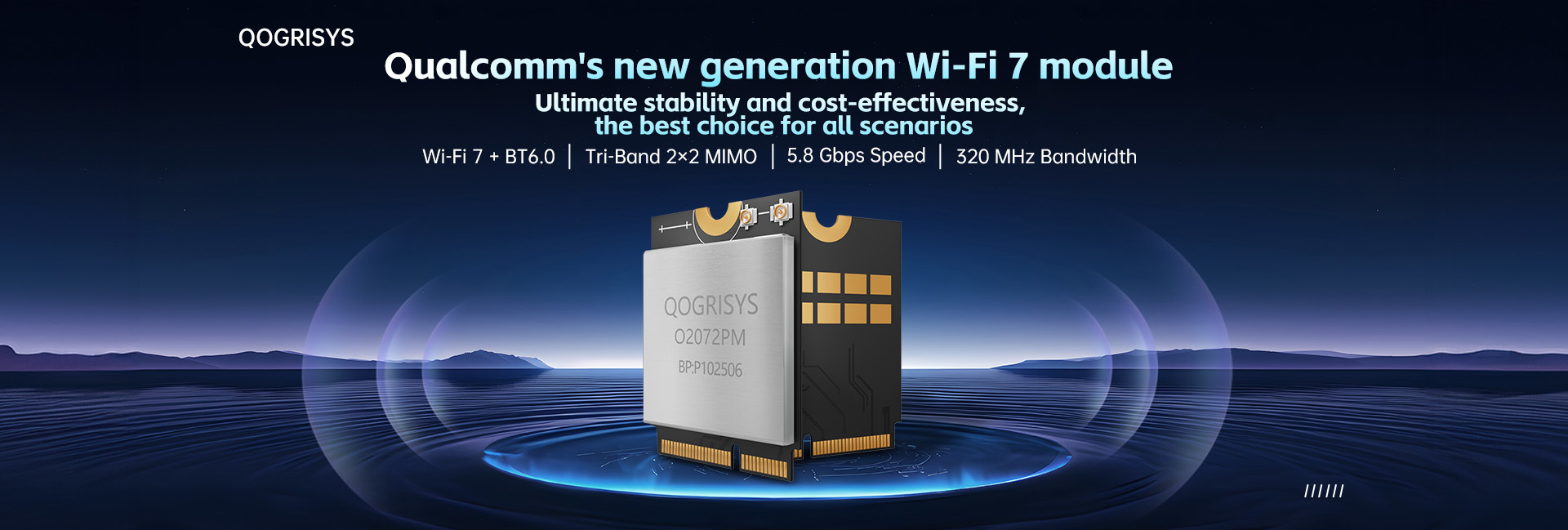
9th to 11th, 2026 , the 27th China International Optoelectronic Exposition (CIOE), in conjunction with the IICIE International Integrated Circuit Innovation Expo and Elexcon Shenzhen International Electronics Exhibition & Embedded Systems Exhibition, will be held concurrently at the Shenzhen World Exhibition & Convention Center. The three exhibitions will be held together, covering a total exhibition area of 320,000 square meters, bringing together more than 5,000 exhibitors and attracting over 240,000 professional visitors . This is a grand industry event covering the entire optoelectronics, semiconductor, and electronics industry chain.   For the Wi-Fi module industry, this exhibition sent a clear signal: the value proposition of Wi-Fi 7 modules is undergoing a fundamental shift—from providing "high-speed connectivity channels" to becoming "industrial-grade intelligent nodes" that integrate sensing, positioning, and edge intelligence. The Industry Logic Revealed by the Collaboration of Three Exhibitions: Why "Sensory Integration" Has Become a Must-Answer Question The essence of the three exhibitions working together is a forced "alignment" of the upstream and downstream of the industry chain. In the past, the optoelectronic industry focused on optical chips and devices, the semiconductor industry focused on chip design and advanced packaging, and the electronics industry focused on the development of terminal equipment and embedded systems. The three major industry systems were fragmented, with different technical standards and poor supply and demand matching, forming obvious industry barriers . The rapid popularization of large-scale AI models and supercomputing clusters has changed this landscape. The industry's demand for ultra-high bandwidth, ultra-low power consumption, and ultra-high integration has increased significantly. The previously independent industry boundaries have been completely broken down. Optical engines and switching chips are deeply integrated, and optoelectronic devices are directly embedded inside chip packages, forcing optical design, semiconductor processes, advanced packaging, and electronic systems to develop in a coordinated manner . This trend is particularly evident in the Wi-Fi module industry. Wi-Fi 7 is not only a generational upgrade in communication speed, but also provides a technological foundation for "integrated communication and sensing" due to its introduction of Multi-Link Operation (MLO), 320MHz channels, and fine-grained timing measurement capabilities. The China Academy of Information and Communications Technology (CAICT) explicitly proposed in its research report on 10 Gigabit AI Park Networks that wireless access points should be upgraded to "integrated communication and sensing" anchor points, natively integrating IoT access, environmental perception, and terminal positioning capabilities to break the data silos and protocol fragmentation dilemmas caused by traditional siloed network construction. The competitive logic in the module industry has therefore undergone a qualitative change: connectivity itself is "depreciating," and "intelligent connectivity" that integrates perception and edge intelligence is the new pricing power. The triple capability leap of Wi-Fi 7 modules The "integration" of Wi-Fi 7 modules is not a functional aggregation, but rather a fusion of capabilities at the underlying chip architecture level. Solutions represented by Qualcomm FastConnect C7700 (chip code name QCC2072) integrate three capabilities that previously belonged to different radio frequency domains on a single chip. The first capability: an industrial-grade leap in Wi-Fi 7 communication performance. The QCC2072 supports 320MHz channel bandwidth, 4096-QAM modulation, and 2×2 MU-MIMO, achieving a peak PHY rate of 5.8 Gbps . Its introduced Enhanced Multi-Link Single Radio (eMLSR) technology allows data to be transmitted through other links when interference occurs in a certain frequency band, effectively maintaining high throughput and low latency . This is crucial for deterministic transmission requirements in industrial environments. The second capability: Wi-Fi sensing and high-precision positioning. This chip solution supports IEEE 802.11az Wi-Fi ranging. 802.11az uses Time-of-Flight (ToF) technology to measure the actual distance between the device and the access point, replacing the traditional RSSI fingerprint comparison method, achieving sub-meter positioning accuracy of less than 1 meter. In industrial scenarios, this means that the Wi-Fi module can not only transmit data but also accurately sense the device's location and spatial status. The third capability: Bluetooth 6.0 Channel Sounding and Aux Radio. Bluetooth 6.0 introduces Channel Sounding technology, improving Bluetooth positioning accuracy to sub-meter levels . Simultaneously, this solution is equipped with a dedicated Wi-Fi Aux Radio for background scanning and low-latency listening while the main radio is in sleep mode, balancing power consumption and response speed . The integration of these three capabilities enables a single Wi-Fi 7 module to possess integrated "communication + sensing + positioning" capabilities for the first time. VOXMICRO's AIRETOS C27 industrial-grade module is a typical example of this architecture. It integrates capabilities that were previously belonging to three independent radio frequency domains into a single module package, enabling industrial OEMs to shift their design goals from "adding a radio" to "accomplishing more tasks with a single industrial-grade module" . Market data: The inflection point for the large-scale deployment of Wi-Fi 7 modules has arrived. The global Wi-Fi module market is currently experiencing a period of structural growth. According to market research reports, the global Wi-Fi module market size is projected to reach US$16.82 billion in 2026, a 17.9% increase from US$14.27 billion in 2025. Among these, Wi-Fi 7 modules are rapidly increasing their market share to 17.2%, with projected shipments reaching 234 million units for the year . From a broader perspective, the global Wi-Fi 7 module market was valued at $3.8 billion in 2025 and is projected to reach $22.6 billion by 2034, representing a CAGR of 21.9% . The Wi-Fi Alliance predicts that global shipments of Wi-Fi 7 devices will reach approximately 1.1 billion units in 2026, of which approximately 196 million will be IoT devices. The Industrial Internet of Things (IIoT) is one of the fastest-growing sub-sectors. Global demand for IIoT modules is projected to reach $9.81 billion, with an annual growth rate of 17.8% . The reliability requirements of industrial applications—wide operating temperature range, interference resistance, and deterministic low latency—are driving the accelerated evolution of Wi-Fi 7 modules from consumer to industrial applications. Qogrisys early strategic moves: from chip solutions to module productization O2072PM and O2072PB, launched simultaneously by O2072 with the QCC2072 chip, is not simply an expansion of the product line, but rather an engineering choice for different deployment scenarios. The O2072PM uses an M.2 Key E standard interface (2230 specification), a 2T2R dual-antenna design, and supports both Wi-Fi and Bluetooth operation. This module incorporates all the functions of the QCC2072: the Wi-Fi portion covers the full IEEE 802.11a/b/g/n/ac/ax/be standards, supporting tri-band 2.4 GHz/5 GHz/6 GHz, with a channel bandwidth of up to 40 MHz at 2.4 GHz, 160 MHz at 5 GHz, and 320 MHz at 6 GHz. The Bluetooth portion is compatible with Bluetooth 6.0, supporting LE Audio, 2 Mbps BLE, and high-precision distance measurement (HADM channel sounding) . In terms of driver adaptation, the O2072PM has been adapted and is running stably on Intel x86 platforms with kernels 5.15.24+, 6.1.99, and 6.12.0. The O2072PB uses a 13×15mm surface mount package, targeting space-constrained embedded scenarios. Its core functions are identical to the O2072PM, also supporting a peak data rate of 5.8 Gbps, a 320MHz channel, 4K QAM modulation, Bluetooth 6.0 channel detection, and 802.11az Wi-Fi ranging . The O2072PB explicitly supports various operating modes including AP/AP+STA/P2P/Monitor, providing a PCIe interface for Wi-Fi and a UART/PCM interface for Bluetooth, supporting Class 1 and Class 2 power level transmission without the need for an external power amplifier . The differentiated positioning of the two modules reflects a profound change in the module industry: as chip capabilities become highly integrated, the core competitiveness of module manufacturers is shifting from "how much throughput can be achieved" to "whether the full capabilities of the chip can be efficiently released under specific physical constraints." The M.2 interface module targets industrial PCs, gateways, and edge computing devices that require standard slots and replaceable designs; the surface-mount module targets embedded terminals with extremely limited PCB space, requiring module manufacturers to possess more refined engineering capabilities in RF design, antenna matching, and thermal management. Validation in industrial scenarios: from technical feasibility to deployment Wi-Fi 7 sensing technology is being practically validated in industrial scenarios. In the mining sector, Shanxi Coal International's Hequ Open-pit Coal Mine's pilot project of a 10-gigabit optical network based on 50G-PON + Wi-Fi 7 has passed the Ministry of Industry and Information Technology's acceptance test. Fifty-seven Wi-Fi 7 gateways have been deployed in the core area, allowing dispatchers to remotely control unmanned mining trucks several kilometers away via Wi-Fi 7 tablets. In the field of smart buildings, the Longgang International Art Center uses Wi-Fi 7 + CSI sensing technology to accurately detect the presence of people, achieving a reduction of over 15% in venue energy consumption and a 30% improvement in operation and maintenance efficiency . These cases share a common characteristic: Wi-Fi networks are no longer just for data transmission, but have also become the infrastructure for environmental sensing and spatial positioning. For the module industry, this means that downstream customers' needs are upgrading from "providing stable wireless connectivity" to "providing integrated capabilities that converge connectivity, sensing, and positioning." Conclusion The industry landscape revealed by the three exhibitions is clear and definite: the demand for AI computing power is driving the deep integration of the optoelectronics, semiconductor, and embedded electronics industries, and Wi-Fi 7 modules are at the intersection of this integration. The shift from "high-speed connectivity" to "integrated sensing" is not just a product iteration, but a systemic reconstruction of the value proposition of the module industry. For Wi-Fi module manufacturers, their ability to establish competitive advantages in chip solution integration, cross-platform adaptation, and industrial-grade reliability will determine their position in the new industry cycle. However, the real test lies in whether module manufacturers can continue to efficiently translate chip capabilities into deployable industrial-grade products as "integrated sensing" transitions from a technological trend to an industry standard.  

2026

09/14

الحجم الصغير، الطاقة المنخفضة، الاستقرار العالي: حل وحدة إنترنت الأشياء النهائي
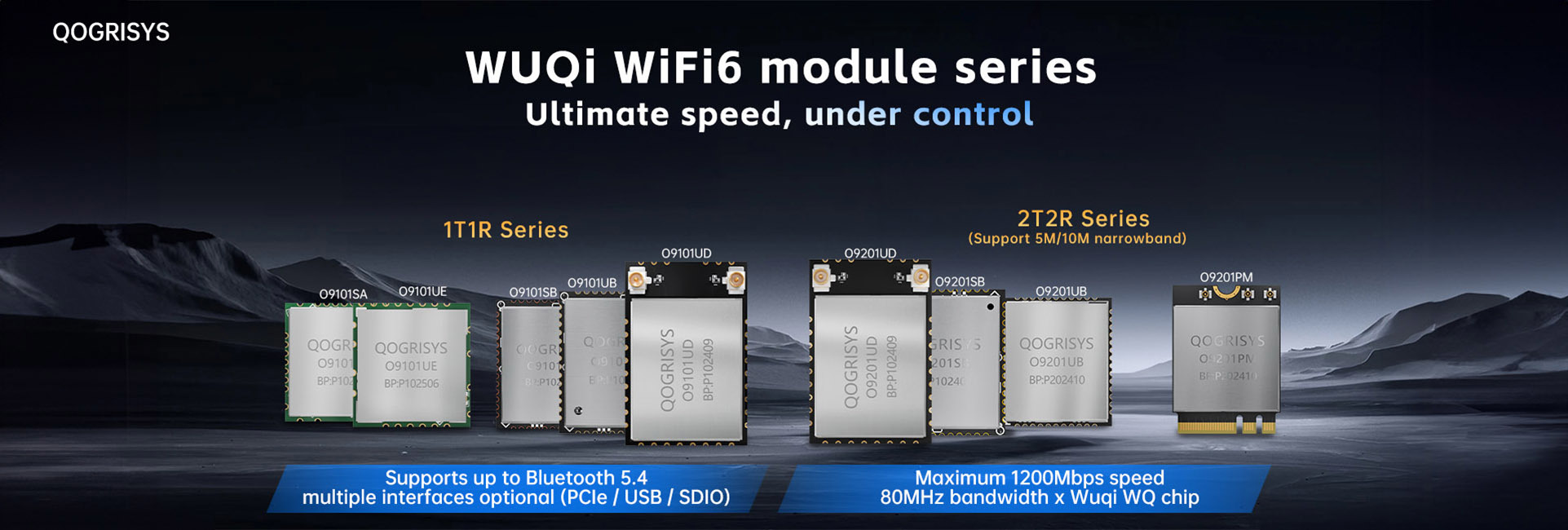
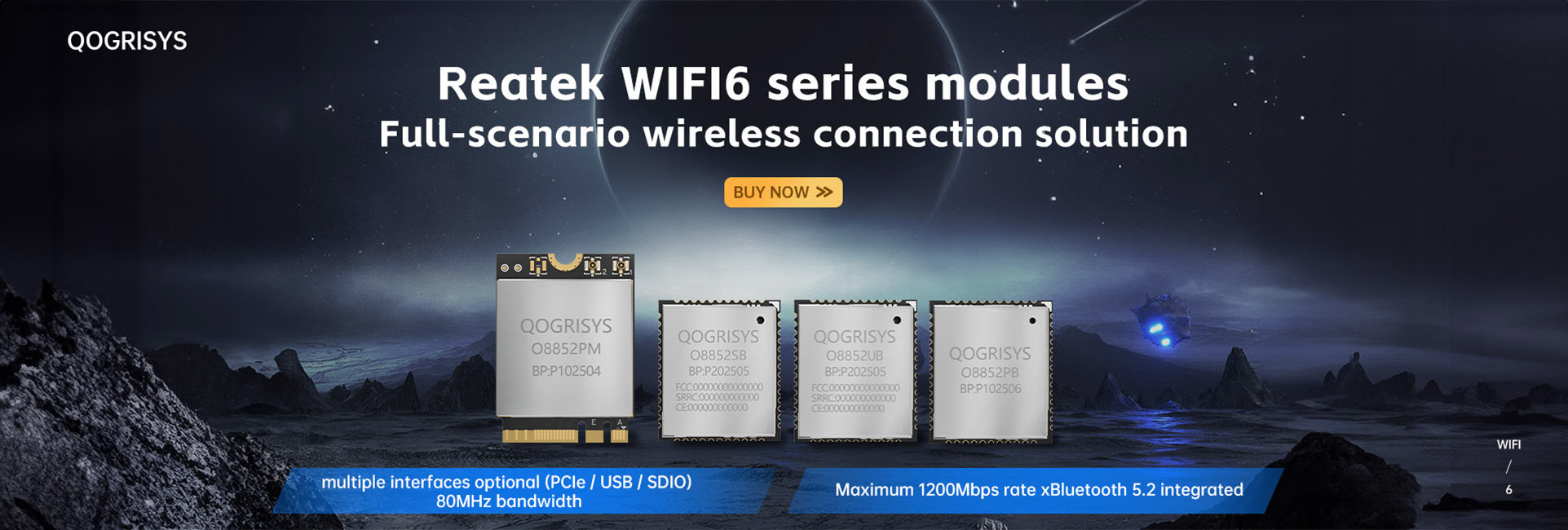
I. "المثلث المستحيل" لمحطات إنترنت الأشياء مع التكرار السريع لمحطات إنترنت الأشياء، تتجه المزيد والمزيد من الأجهزة نحو التصغير وطاقة البطارية، بينما تواجه المنتجات تحديات التصميم مثلمساحة محدودة لثنائي الفينيل متعدد الكلور، وعمر بطارية غير كافٍ، واتصال لاسلكي غير مستقر. وهذه ليست ظاهرة معزولة في قطاع فرعي معين، ولكنها تمثل تحديًا نظاميًا يواجه صناعة إنترنت الأشياء (IoT) بأكملها. وفي عام 2026، وصلت الشحنات العالمية من الوحدات اللاسلكية إلى 870 مليون وحدة، بحجم سوق يتجاوز 41.2 مليار دولار أمريكي. وبحلول عام 2030، من المتوقع أن ترتفع الشحنات العالمية إلى 1.52 مليار وحدة، بمعدل نمو سنوي مركب يبلغ 11.8%، ومن المتوقع أن يصل حجم السوق إلى 79.8 مليار دولار أمريكي. وخلال نفس الفترة، من المتوقع أن يتجاوز عدد أجهزة إنترنت الأشياء المتصلة في جميع أنحاء العالم 39 مليارًا. يؤدي هذا النمو الهائل في أعداد الأجهزة إلى تضخيم التحديات التي يواجهها كل بُعد من أبعاد التصميم إلى عوامل رئيسية تحدد نجاح المنتج أو فشله. الحجم الصغير، والاستهلاك المنخفض للطاقة، والاستقرار العالي - تشكل هذه المتطلبات الثلاثة "المثلث المستحيل" في تصميم محطات إنترنت الأشياء.في الحلول التقليدية، غالبًا ما تقيد هذه الثلاثة بعضها البعض: يؤدي السعي إلى الحجم الصغير إلى الحد من أداء الهوائي، والسعي إلى انخفاض استهلاك الطاقة مما يؤدي إلى التضحية بمعدل الإرسال، والسعي إلى الاستقرار يزيد من استهلاك الطاقة وحجمها. أصبح إيجاد التوازن بين هذه الثلاثة مشكلة أساسية لموفري حلول الوحدات. ثانيا. التحدي 1: مساحة PCB ضيقة للغاية القوة الدافعة الصناعية لضغط الفضاء من الحلقات الذكية وسماعات TWS إلى أجهزة الاستشعار الدقيقة والأقفال الذكية، يتم ضغط المساحة المادية للأجهزة الطرفية بشكل مستمر. ومن المتوقع أن ينمو سوق البطاريات الصغيرة من 1.59 مليار دولار في عام 2025 إلى 1.81 مليار دولار في عام 2026، وهو ما يمثل معدل نمو سنوي مركب قدره 13.5%. هذايعد النمو السريع في سوق البطاريات الصغيرة انعكاسًا مباشرًا للاتجاه نحو تصغير الأجهزة- كلما كان الجهاز أصغر، زادت متطلبات حجم البطارية وكثافة الطاقة. إحدى المشكلات الأكثر تحديًا التي يواجهها مهندسو الأجهزة هي تحقيق توصيلات كهربائية عالية الكثافة وعالية الثبات بين اللوحة الفرعية واللوحة الأم في ظل سماكة إجمالية محدودة للغاية للجهاز ومساحة PCB. وباعتبارها مكونًا لا غنى عنه للترددات الراديوية في الجهاز، فإن بصمة الوحدة اللاسلكية تحدد بشكل مباشر مدى جدوى التصميم العام للجهاز. مسار الحل للوحدات المصغرة تعالج الصناعة التحديات المكانية من وجهات نظر متعددة. قامت وحدة O9101SA من Qogrisys بضغط حجمها إلى12 × 12 ملممع دعم Wi-Fi 6 وBLE 5.4 ثنائي النطاق بسرعات تصل إلى 600 ميجابت في الثانية. يعد هذا الحجم من بين المستويات الرائدة في الصناعة لوحدات Wi-Fi 6 + Bluetooth Combo. لا يسمح هذا التخفيض الكبير في الحجم بتعبئة مساحة أكبر فحسب، بل يحرر أيضًا مساحة PCB قيمة للمكونات الأخرى مثل البطارية وأجهزة الاستشعار ورقاقة التحكم الرئيسية - حيث تسمح مساحة الوحدة الأصغر حجمًا بمساحة أكبرتخزين . يعد تكامل الشريحة الواحدة متعدد البروتوكولات مسارًا رئيسيًا آخر.تشغل وحدتان مستقلتان، بالإضافة إلى الدوائر الطرفية الخاصة بهما ومساحة الهوائي، مساحة PCB أكبر بكثير من وحدة متكاملة واحدة متعددة البروتوكولات. وفي المنتجات صغيرة الحجم مثل المصابيح الذكية ومفاتيح اللوحات، تعد هذه المنطقة هي العامل المحدد الأكبر. يعمل حل Wi-Fi/Bluetooth Combo على تقليل أثر PCB بشكل أساسي من خلال دمج البروتوكولين في شريحة واحدة. تعتبر المساحة التي تشغلها الهوائيات مهمة أيضًا. تستهلك تطبيقات الهوائي التقليدية ما بين 15% إلى 25% من إجمالي مساحة ثنائي الفينيل متعدد الكلور في الأجهزة المحمولة وتطبيقات إنترنت الأشياء.يؤدي ظهور تقنية الهوائي داخل العبوة (AiP) إلى دمج الهوائي في حزمة الوحدة، مما يحقق توفيرًا في المساحة بنسبة 40%-60%. التحدي 2: عمر البطارية غير مناسب للغاية اقتصاديات قلق المدى بالنسبة لأجهزة إنترنت الأشياء التي تعمل بالبطارية، فإن عمر البطارية ليس مسألة "من الجيد امتلاكها" ولكنها مسألة "حياة أو موت". بلغت قيمة سوق بطاريات إنترنت الأشياء العالمية 15.9 مليار دولار أمريكي في عام 2024، ومن المتوقع أن تنمو إلى 36.88 مليار دولار أمريكي بحلول عام 2033، وهو ما يمثل معدل نمو سنوي مركب قدره 9.8٪. هذايعكس التوسع المستمر الطلب القوي من الأجهزة النهائية لعمر بطارية أطول. يؤثر العمر التشغيلي للعقد التي تعمل بالبطارية بشكل مباشر على تكاليف الصيانة وقابلية التوسع للنشر. القيمة الصناعية لتكنولوجيا استهلاك الطاقة المنخفضة من المتوقع أن يصل سوق وحدات Wi-Fi منخفضة الطاقة إلى 4.142 مليار دولار في عام 2025 و11.79 مليار دولار في عام 2032، وهو ما يمثل معدل نمو سنوي مركب قدره 16.4%. ومن المتوقع أن ينمو سوق وحدات بليه إلى 68.27 مليار دولار في عام 2032، بمعدل نمو سنوي مركب قدره 13.80٪.ويؤكد النمو القوي لهذين القطاعين أن انخفاض استهلاك الطاقة أصبح أحد الأبعاد التنافسية الأكثر أهمية في صناعة الوحدات. رابعا. التحدي 3: اتصال لاسلكي غير مستقر مزدحمة 2.4 جيجا هرتز وهوائيات محدودة يكمن السبب الجذري للاتصالات اللاسلكية غير المستقرة في تناقضين هيكليين. المشكلة الأولى هي ازدحام الترددات.تتم مشاركة نطاق ISM 2.4 جيجا هرتز عبر بروتوكولات متعددة مثل Wi-Fi وBluetooth وZigbee وThread، مما يؤدي إلى تداخل شديد في القناة المشتركة. في سيناريوهات النشر عالية الكثافة مثل المنازل والمكاتب الذكية، يعد تعارض الإشارات وتدهور معدل البيانات أمرًا شائعًا. التناقض الثاني هو محدودية أداء الهوائي.ويعني تصغير الجهاز أن المساحة المتاحة للهوائي يتم ضغطها، وبالتالي تنخفض كفاءة الهوائي وعرض النطاق الترددي وفقًا لذلك.هناك قيد مادي متأصل بين أداء الترددات الراديوية وحجم الجهاز- كلما كان حجم الهوائي أصغر، انخفضت كفاءة الإشعاع، وساءت مسافة الاتصال واستقراره. V.قوجريسيسالحلول النظامية ولمواجهة تحديات التصميم الثلاثية المذكورة أعلاه، تقدم QOGRISYS مجموعة منتجات شاملة، حيث توفر حلولاً شاملة بدءًا من الرقائق إلى الوحدات ومن الأجهزة إلى البرامج. مصفوفة المنتجات المصغرة للغاية حققت Qogrisys تغطية كاملة في مجال الوحدات صغيرة الحجم، من Wi-Fi 6 إلى Wi-Fi 5، ومن Combo إلى Wi-Fi الفردي. O9101SAتتميز بحجم صغير12 × 12 ملم، يدعم شبكة Wi-Fi 6 وBLE 5.4 ثنائية النطاق بسرعات تصل إلى 600 ميجابت في الثانية، ويستخدم واجهة SDIO 3.0. وهو يدعم بنية 2.4 جيجا هرتز/5 جيجا هرتز ثنائية النطاق المتزامن (DBS)، والوصلة الصاعدة/الهابطة MU-OFDMA وMU-MIMO، وتشغيل الوضع المزدوج BT/BLE.ينتمي O9101SA، إلى جانب O9101UE وO9101UD، إلى سلسلة وحدات Oufixin 1×1 Wi-Fi 6 التي تم تطويرها استنادًا إلى شريحة WQ9101. يبلغ قياس O9101UE 13 × 12.2 ملم ويستخدم واجهة USB 2.0؛ يبلغ قياس O9201SB 13 × 15 مم فقط، ويعتمد أيضًا على شريحة WQ9201، ويوفر سرعات تصل إلى 1200 ميجابت في الثانية. يشترك O9201UB في نفس النظام الأساسي مثل O9201SB ويستخدم واجهة USB 2.0. يبلغ قياس O8852PB 13 × 15 ملم، ويعتمد على شريحة Realtek RTL8852BE، ويدعم Wi-Fi 6 وBluetooth 5.2 بسرعة 1200 ميجابت في الثانية، ويستخدم واجهة PCIe. بالنسبة للسيناريوهات ذات القيود المكانية الأكثر صرامة، يكون الحجم الصغير لهذه الوحدات مفيدًا بشكل خاص.تعمل الوحدة الأصغر حجمًا على توفير مساحة قيمة لثنائي الفينيل متعدد الكلور للمكونات الأخرى مثل البطارية وأجهزة الاستشعار ورقاقة التحكم الرئيسية. تصميم منخفض الطاقة: تحسين مشترك من الشريحة إلى النظام تنبع قدرة Qogrisys منخفضة الطاقة في المقام الأول من الاختيار والتعاون العميق مع الرقائق الأولية. شريحة Wuqi WQ9201، مع أداء نقل مستقر ورائدة عالميًا في استهلاك الطاقة المنخفضة، برزت من بين 364 منتجًا من 280 شركة شرائح، وفازت بجائزة منتج الابتكار التكنولوجي الممتاز "China Chip" لعام 2024. مقاومة التداخل والاتصال المستقر:تقنيات الاختراق في التكامل ثنائي النطاق ومتعدد البروتوكولات تدعم كل من O9201SB وO9101UE وO8852PB شبكة Wi-Fi 6 ثنائية النطاق بتردد 2.4 جيجا هرتز/5 جيجا هرتز.تكمن القيمة الأساسية لبنية النطاق المزدوج في "الانتقائية" - عندما يصبح النطاق 2.4 جيجا هرتز مزدحمًا بسبب تواجد بروتوكولات مثل Bluetooth وZigbee، يمكن للجهاز التبديل إلى النطاق 5 جيجا هرتز لضمان سرعة النقل واستقرار الاتصال. توفر شبكة Wi-Fi 6 ثنائية النطاق أيضًا تقنيات أساسية مثل OFDMA وMU-MIMO، مما يعمل على تحسين كفاءة استخدام الطيف في السيناريوهات مع أجهزة متزامنة متعددة. في بيئات النشر عالية الكثافة مثل المنازل والمكاتب الذكية، تترجم هذه التقنيات مباشرة إلى تجربة مستخدم محسنة - زمن وصول أقل، وعدد أقل من الاتصالات المنقطعة، واتصالات أكثر استقرارًا. التكامل متعدد البروتوكولات هو نهج آخر. يمكن لوحدة واحدة أن تدعم في الوقت نفسه بروتوكولات متعددة مثل Wi-Fi وBluetooth وZigbee وThread، ويمكنها تحديد أفضل طريقة اتصال بذكاء وفقًا للبيئة، والتبديل بمرونة بين السيناريوهات المختلفة. سادسا. توقعات الصناعة: من "قابلة للاستخدام" إلى "فعالة" وبالتطلع إلى الفترة 2026-2032، سيستمر اتجاه التصميم للوحدات صغيرة الحجم ومنخفضة الطاقة في التطور على طول الاتجاهات التالية: أولاً، سيستمر كسر حدود الحجم.إن المنافسة على حجم الوحدة لم تنته بعد، كما أن الاقتراب من الحدود المادية يفرض الابتكار المستمر في تكنولوجيا التعبئة والتغليف. ثانيًا، سيتحول الاستهلاك المنخفض للطاقة من "ميزة" إلى "ميزة قياسية".تظهر بيانات QYResearch أن سوق وحدات Wi-Fi منخفضة الطاقة سيستمر في التوسع بمعدل نمو سنوي مركب يبلغ 16.4%.لن يعد انخفاض استهلاك الطاقة نقطة بيع مميزة للوحدات المتطورة، بل متطلبًا أساسيًا لجميع منتجات الوحدات. ثالثًا، سيكون التكامل بين البروتوكولات المتعددة، والتصغير، وانخفاض استهلاك الطاقة متشابكًا بشكل عميق.يعد دمج بروتوكولات متعددة مثل Wi-Fi وBluetooth وZigbee وThread في شريحة واحدة حلاً أساسيًا لمشكلات استهلاك المساحة والطاقة. إن اعتماد بروتوكول Matter على نطاق واسع سيزيد من تعزيز هذا الاتجاه -لن تتطلب الوحدات المستقبلية من المستخدمين "تحديد" البروتوكولات، ولكنها ستتكيف تلقائيًا مع حل الاتصال الأمثل استنادًا إلى البيئة والتطبيق. رابعاً، يتطور اختيار الوحدات من "شراء المكونات" إلى "اتخاذ القرار الاستراتيجي".وفي ظل القيود المزدوجة المتمثلة في التصغير وانخفاض استهلاك الطاقة، لم يعد اختيار الوحدة مجرد مقارنة للمعايير التقنية، بل أصبح خيارًا استراتيجيًا فيما يتعلق بتعريف المنتج، ودورة التطوير، ووقت طرح المنتج في السوق. يمكن حل الوحدة المناسبةضغط دورة التطوير من أشهر إلى أسابيعوتبسيط ثنائي الفينيل متعدد الكلور ذو أربع طبقات إلى ثنائي الفينيل متعدد الكلور ثنائي الطبقة.  

2026

09/09

Qualcomm's New Chips Put Edge AI First – Smarter Modules Ahead
By 2026, edge AI will no longer be a concept that needs to be "defined," but a reality that is being "quantified"—and the speed and scale of this quantification far exceed the expectations of most analysts a year ago. Edge AI is moving from "proof of concept" to "large-scale deployment." I. Qualcomm's Strategic Move: Dragonwing Dual-Processor Chip Released to Boost Edge AI On the eve of the 2026 IFA Berlin, Qualcomm officially launched two processors , the Dragonwing Q-2390 and IQ-2390. The Q-2390 highly integrates edge AI inference, cellular connectivity, positioning, and display support into a single chip, aiming to lower the development threshold for edge AI devices. The IQ-2390 focuses on enhancing machine vision acceleration, TSN (Time-Sensitive Networking) support, and has a wide operating temperature range of -30°C to +115°C , designed for demanding scenarios such as industrial automation, machine vision, and energy management. Qualcomm's core intention in this announcement is to reduce the complexity of implementing edge AI in industrial scenarios through chip-level integration and industrial hardening. II . Edge AI Market: A Trillion-Dollar Track Accelerating The market size of edge AI is expanding at an astonishing rate. According to a recent report by Global Market Insights, the global edge AI market is valued at approximately $25.2 billion in 2025, projected to reach $30.9 billion in 2026, and is expected to grow to $225.5 billion by 2035, representing a compound annual growth rate (CAGR) of 24.7% from 2026 to 2035. Data from Mordor Intelligence also corroborates this trend: the edge AI hardware market is projected to grow from $25.08 billion in 2025 to $30.74 billion in 2026, reaching $68.73 billion in 2031 . The global edge AI market (hardware + software + services) is approaching $47-50 billion in size by 2026, with a year-on-year growth rate exceeding 28% . IDC predicts that the overall edge computing market will reach $450 billion by 2029, with AI being the primary growth engine . From a regional perspective, the Asia-Pacific region is the fastest-growing edge AI market globally . China, as a core growth engine, leads the world in shipments of edge devices equipped with domestically produced computing chips. Bulk procurement in areas such as smart security, smart cities, and factory automation continues to drive demand, with the domestic market growing at an annual rate exceeding 34% . III . The AI-driven transformation of the module industry: From "connectivity" to "computing + connectivity" The explosive growth of the edge AI market is profoundly reshaping the competitive logic of the module industry. Traditional module manufacturers heavily rely on the number of connections and shipment growth, but this model is encountering bottlenecks. In the first quarter of 2026, shipments of AI embedded cellular IoT modules declined by 17% year-on-year, marking the first decline after 12 consecutive quarters of growth in the market. The penetration rate of AI modules in global cellular IoT modules is currently only about 6%—meaning that edge AI modules are still on the verge of explosive growth, rather than a red ocean market . Meanwhile, leading companies in the industry are accelerating their transformation towards "connectivity + intelligence." Quectel Wireless Solutions' revenue in the first half of 2026 reached RMB 15.259 billion, a year-on-year increase of 32.16%, with automotive, intelligent, and solutions businesses accounting for 46.76% of revenue. Furthermore, the gross profit margin of this segment (21.42%) is significantly higher than that of traditional communication module businesses (16.28%) . Andrew Zignani, Senior Research Director at ABI Research, pointed out that wireless connectivity is no longer just about connecting devices; it's also about enabling scalable edge AI in consumer, enterprise, and industrial markets . IV . Trends in Module Products Driven by Edge AI The large-scale deployment of edge AI is reshaping the definition of module products from three dimensions. Trend 1: From "Communication Modules" to "Computing Modules" . The integration of AI edge computing chips has become the core differentiator for modules in 2026. Shipments of modules supporting edge inference exceeded 80 million units in 2025, and this proportion is expected to rise to 35% of total module shipments by 2030. The compound annual growth rate of high-performance computing modules is projected to reach 60% over seven years, and the proportion of intelligent and AI modules in cellular IoT modules will continue to increase. Trend Two: Industrial-grade wide operating temperature range becomes the "entry ticket ." Wide operating temperature capability reflects the stringent reliability requirements of modules in industrial edge AI scenarios. Industrial-grade modules typically require an operating temperature range of -40℃ to +85℃. In scenarios such as oil and gas, power, and outdoor infrastructure, wide operating temperature capability directly determines whether the equipment can operate stably in real-world environments. Trend 3: Multi-technology integration becomes standard . Edge AI scenarios often require simultaneous support for multiple connectivity methods—industrial automation needs Wi-Fi/Bluetooth for inter-device communication, energy management needs PLCs to solve the problems of transmission through walls and over long distances, and industrial gateways need cellular networks to upload data to the cloud. Modules with single communication methods are being replaced by integrated solutions that combine multiple modes . V. Qogrisys's Product Strategy: AI Capabilities Connected to the Base Amid the industry wave of module manufacturers moving towards AI, QOGRISYS's strategic path clearly demonstrates the industry logic of integrating "connectivity + computing". Qogrisys's strategic path can be summarized as follows: using high-speed connectivity as the foundation and edge AI as the incremental factor, to build an intelligent module product matrix covering multiple scenarios. Wi-Fi 7 Module: Full Product Lineup In the Wi-Fi 7 field, O2072PM and O2072PB, two Wi-Fi 7 + Bluetooth 6.0 combo modules based on the Qualcomm QCC2072 chip, fully support 4K QAM, 320MHz channels, MLO (Multi-Link Operation), with a peak rate of 5.8Gbps and eMLSR enhanced multi-link switching. The O2072PM uses an M.2 Key E interface (22×30mm), making it suitable for high-end robots and industrial equipment. From an industry trend perspective, Wi-Fi 7 is rapidly entering a large-scale deployment phase. IDC data shows that in the first quarter of 2026, Wi-Fi 7 already accounted for 44.5% of global enterprise WLAN-dependent AP revenue. The growth of Wi-Fi 7 is no longer limited to routers and enterprise APs; IoT devices are becoming an important source of growth in the next stage . Multi-platform and multi-scenario coverage Qogrisys's core R&D team has long been deeply involved in mainstream global wireless chip platforms such as Qualcomm, Realtek, and MediaTek, accumulating full-stack experience from chip bring-up and RF calibration to mass production testing . This multi-platform, full-stack technical capability enables Qogrisys to provide compatible connectivity solutions across different customers' main control solution ecosystems. In terms of application scenarios, Qogrisys's product matrix has extended to multiple core areas of edge AI: industry and intelligent manufacturing , modules such as O9201PM have completed driver adaptation and full verification on domestic platforms such as RK3588, Allwinner, and Rockchip, and can be widely used in scenarios such as industrial tablets, edge computing gateways, industrial control equipment, smart retail terminals, and digital signage. robotics and embodied intelligence , the ultra-high bandwidth and ultra-low latency provided by Wi-Fi 7 form an invisible infrastructure for cloud-edge-device collaboration—robots upload sensor data to edge servers in real time for VLA model inference, receive decision commands, and execute them instantly. Qogrisys's Wi-Fi 7 module product line already covers the needs of high-end robots and industrial equipment. VI. Trend Analysis: Three Certain Directions for Edge AI Modules Based on Qualcomm's chip release trends, three definite trends can be identified in the field of edge AI modules: First, AI capabilities will become a standard feature rather than an optional feature for modules. As the report "Edge Intelligence 2026: The First Year of Large-Scale Deployment" points out, 2026 has become a crucial turning point for edge intelligence, moving from proof-of-concept to large-scale deployment. The market space for pure connectivity modules lacking AI acceleration capabilities will continue to shrink. The seven-year compound annual growth rate of intelligent modules and AI modules reached 60% and 28% respectively , and this difference in growth rate is the strongest evidence of this. Second, industrial scenarios represent the most certain high-value market for edge AI modules. The industrial AI accelerator chip market is expanding at an average annual growth rate of 40%. Industrial visual inspection is migrating from traditional algorithms to deep learning, and predictive maintenance is generating explosive demand for edge inference computing power. Third, the convergence of "connectivity + computing" modules will become the infrastructure of the AIoT era. Wi-Fi 7 provides a connection base with ultra-low latency and ultra-high throughput, while edge AI provides localized intelligent decision-making capabilities. When the coverage density of Wi-Fi 7 and the computing power density of edge AI converge at the device end, the module will be upgraded from a "communication component" to an "intelligent computing node".    

2026

09/07